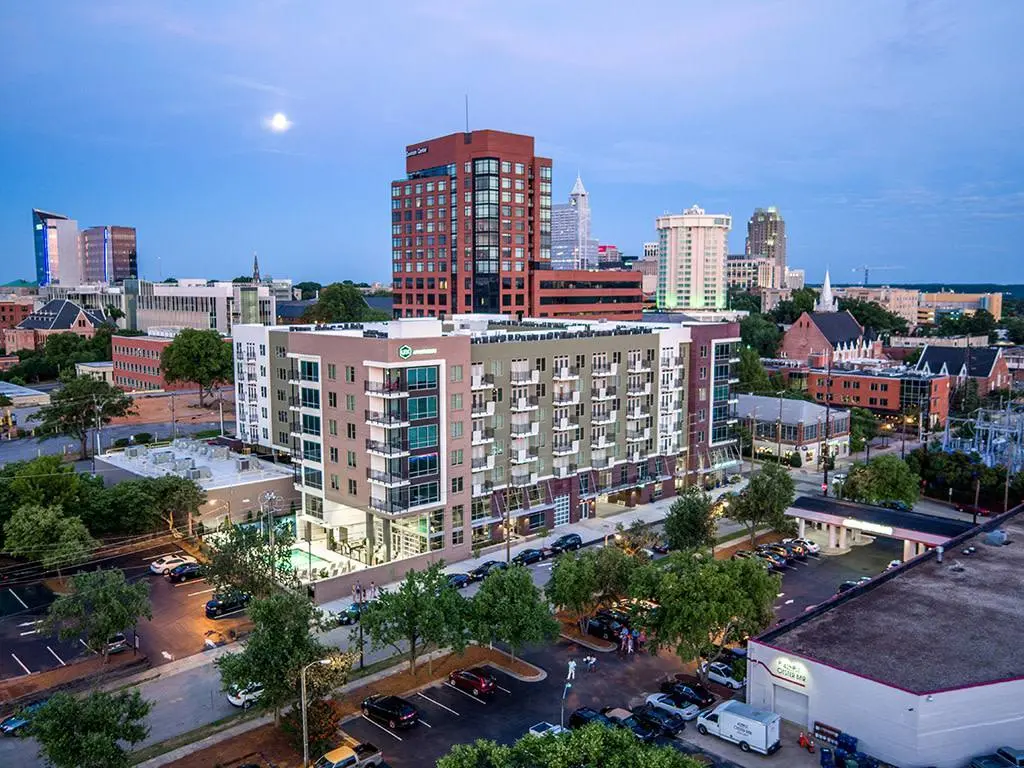

Investing in rental properties in the wrong city can lead to unexpected issues like vacancies, repairs, and strict tenant laws. You might close on a property that seems ready to rent, only to face permit delays and unreliable contractors. This list highlights cities that balance rent-to-price ratios, consistent tenant demand, and manageable risks for small landlords. Some offer affordable cash flow opportunities, while others are pricier but provide stronger job markets and steadier renter demand. It also considers post-purchase challenges like permitting, insurance changes, and rent increases.
Key Takeaways
- The strongest rental markets combine multiple demand drivers, so you are not betting on a single employer or industry.
- Landlord-friendliness matters most when a tenant stops paying, not when everything is going well.
- Insurance and climate exposure can erase a great cap rate faster than a rent drop can.
- Cash-flow cities reward strict property standards and tenant screening because older housing inventory is common.
- High-cost markets can still win if rent growth and tenant quality reduce turnover and delinquency.

10. Baltimore, MD
Baltimore is appealing due to affordable entry prices for a major East Coast city, driven by demand from universities, healthcare, and government sectors. However, rental quality can vary significantly between streets, requiring careful neighborhood-level evaluation. Investor success often stems from acquiring well-structured properties and efficient operations rather than relying on overall appreciation. Be prepared for older rowhomes, limited parking, and compliance tasks that can hinder turnover if not managed well.
- Strong fits: long-term rentals near stable employment areas like hospitals and universities
- Watch-outs: block-by-block vacancy swings, older systems like aging plumbing, and turnover friction
- Operator edge: better leasing and maintenance beats "market growth" stories, especially in mixed blocks
See available rentals in Baltimore →
Pro Tip: Analyze two exit plans upfront, one as a long-term rental and the other with a roommate-friendly layout, as tenant demand can vary by submarket.
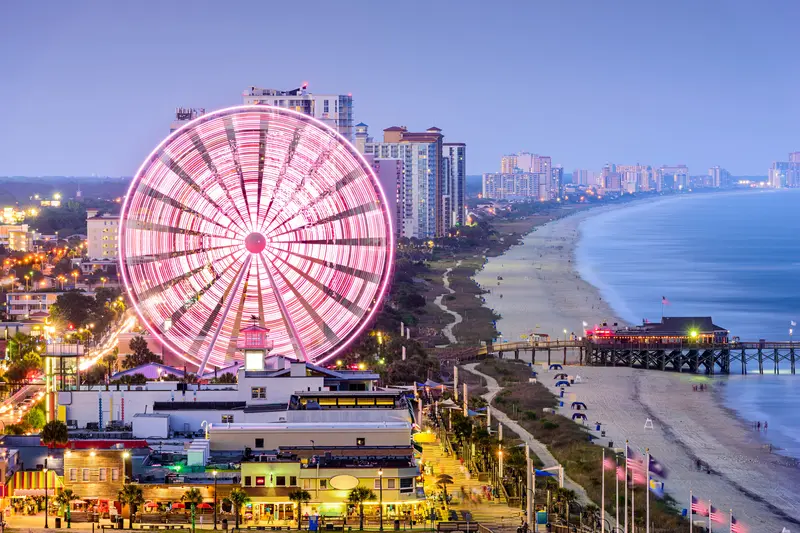
9. Myrtle Beach, SC
Myrtle Beach can generate strong income driven by tourism and service jobs, but its month-to-month income is less predictable due to weather risks and insurance issues associated with coastal properties. If you seek stable cash flow, this market may be challenging, especially when storms impact budgets. However, managing pricing, turnover, and vendor responses like a business can yield significant returns in the right property type.
- Strong fits: investors who can manage seasonality and faster turns, including mid-term stays for traveling workers
- Watch-outs: wind and flood exposure, HOA rules, special assessments on condo buildings and amenities
- Operator edge: expense control matters as much as nightly rate, especially with cleaning and minor repairs
See available rentals in Myrtle Beach →
Pro Tip: Request the last 24 months of insurance claims and loss history for the property or community, as past losses can influence future premiums.

8. Detroit, MI
Detroit offers good rent-to-price value, especially in stable areas with job access. However, investing in older homes requires managing higher repair costs and tenant turnover. Weak neighborhoods can lead to delinquency and ongoing minor repairs. Success comes from disciplined buying and tight operations rather than relying on appreciation. Budget for significant capital expenditures, verify property taxes, and ensure mechanical reliability to retain tenants, as issues like a shaky furnace can lead to vacancies.
- Strong fits: cash flow investors with rehab and inspection discipline on older bungalows and duplexes
- Watch-outs: deferred maintenance, utility issues, property tax surprises, theft risk on vacant units
- Operator edge: condition control and rent collection systems beat "cheap price" deals every time
See available rentals in Detroit →
Pro Tip: Create a "walk away" list for property conditions before touring, such as sewer line, roof age, and electrical, and walk away quickly if major issues arise.

7. Cleveland, OH
Cleveland is a reliable cash flow market as rents can support purchase prices without aggressive growth assumptions. Strong demand from healthcare, education, and diverse working households helps maintain low vacancy rates. However, the risk lies in the age of the property and potential deferred maintenance, which can lead to unavoidable capital expenses later. It's like buying a used truck: the price is fair, but you need a plan for future repairs.
- Strong fits: buy-and-hold landlords who want steadier cash flow math and plenty of renter depth
- Watch-outs: roofs, windows, furnaces, water intrusion, snow-related wear, and ice dam issues
- Operator edge: preventive maintenance scheduling reduces emergency spend and cuts winter service calls
See available rentals in Cleveland →
Pro Tip: Consider the first year as a stabilization period and keep a higher reserve for potential older mechanical issues and storm damage.

6. Indianapolis, IN
Indianapolis stands out for its affordability and steady renter demand, enabling cash-flow deals without complicated financing. Unlike more volatile Midwest cities, its broad tenant pool helps keep vacancies manageable and homes correctly priced. However, competitive bidding can yield slim returns, especially on cosmetic flips that don't reduce maintenance costs. Successful investors focus on an efficient leasing process, quick make-ready work, and budgeting for scattered repairs, such as HVAC and appliances.
- Strong fits: first-time landlords who want predictable leasing demand and easier resale liquidity
- Watch-outs: overpaying in trendy submarkets, scattered-site maintenance costs, older slab and drainage issues
- Operator edge: fast showings and fast make-ready keep downtime short and lower concession pressure
See available rentals in Indianapolis →
Pro Tip: Use lease renewal timing strategically by aligning expirations with peak leasing months can increase rent and minimize downtime without major renovations.

5. Phoenix, AZ
Phoenix's strong population growth and job inflows drive long-term rental demand, as many can't afford to buy. It ranks fifth due to climate and infrastructure issues affecting HVAC wear, utility costs, and insurance. Increased competition means you need to differentiate your deal through layout improvements, shade upgrades, or rehab to minimize future repairs. Prepare for hot summers and anticipate higher service call volumes as tenants grow impatient with uncooled units.
- Strong fits: long-term holds aimed at renters who want suburban stability and reasonable commutes
- Watch-outs: HVAC lifecycle, HOA restrictions on rentals, water, and heat stress that drives maintenance
- Operator edge: Durable materials like tile and desert landscaping can reduce recurring costs
See available rentals in Phoenix →
Pro Tip: Consider HVAC replacement as a near-term expense, even if the unit works, to avoid budget issues, tenant satisfaction issues, and summer emergencies.

4. Dallas, TX
Dallas ranks high for investors due to a large job market, steady in-migration, and diverse rental demand. However, new construction can pressure rents, and property taxes and insurance can affect returns. Successful investors should choose stable neighborhoods and avoid over-improving properties beyond what local renters desire. The market benefits from active tenants and resale demand when properties are purchased wisely.
- Strong fits: investors who want scale, resale options, and deep tenant pools across multiple price bands
- Watch-outs: new-build competition, tax and insurance increases, commute-heavy areas with turnover risk
- Operator edge: conservative rent comps beat "new listing" rent guesses, especially during lease-up waves
See available rentals in Dallas →
Pro Tip: Map new-build rentals within a 2-mile radius, as nearby competition may require you to upgrade finishes to remain competitive.
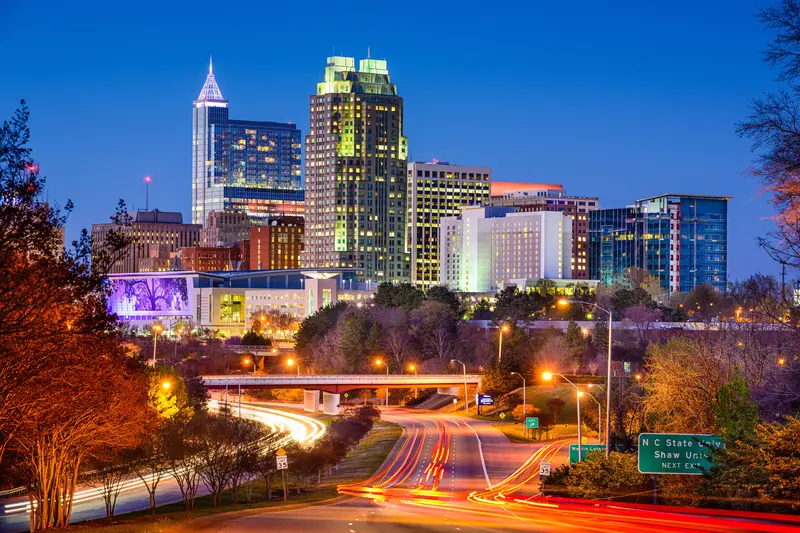
3. Raleigh, NC
Raleigh benefits from steady renter demand in tech, universities, and healthcare, reducing the risk of layoffs affecting occupancy. Its stability leads to smoother leasing, fewer payment issues, and steadier vacancy rates compared to flashier markets. While prices can impact cash flow, lower turnover and fewer surprises during make-ready periods are key advantages. The best rentals are located near job areas and schools, which ensures consistent demand and reduces tenant churn.
- Strong fits: investors who value stability and tenant quality over maximum cap rate
- Watch-outs: thin cash flow at today's prices, bidding pressure on turnkey homes, rising service costs
- Operator edge: faster leasing beats stretching rent and sitting vacant, even by one extra week
See available rentals in Raleigh →
Pro Tip: Prioritize lease-up speed over advertised rent; a lower rent that leases quickly can outperform a higher rent that remains vacant.
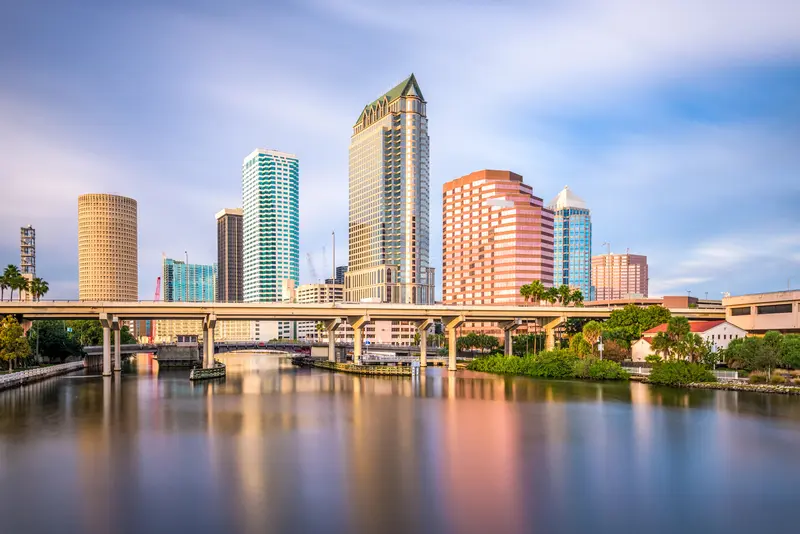
2. Tampa, FL
Tampa's strong demand keeps rentals moving, especially well-located ones that maintain rent levels. The trade-off is Florida's storm and insurance exposure, which can turn a good deal into a stressful one if you underwrite with yesterday's premiums. Building type and location are crucial, as factors such as flood zones and roof age can quickly affect operating costs. Tight margins mean that a significant renewal increase can erase a year's worth of rent growth, affecting real cash flow.
- Strong fits: well-located long-term rentals with strong tenant demand and year-round leasing activity
- Watch-outs: flood exposure, older roofs, condo association constraints, claim-driven premium jumps
- Operator edge: better risk screening beats chasing the highest rent number, especially on coastal inventory
See available rentals in Tampa →
Pro Tip: Don't base underwriting solely on today's premiums; account for renewal shock, as costs often reset in the second year.

1. Charlotte, NC
Charlotte tops the list for its growing economy and multiple viable submarkets, allowing for flexibility within the region. The balanced rent-to-price dynamics make deals feasible without relying on high appreciation or rent growth, providing a cushion against rate or tax changes. Landlording is also more straightforward here than in tighter markets, facilitating lease enforcement and unit turnover. The city's diversity enables the building of a small, less risky portfolio.
- Strong fits: long-term buy-and-hold investors building a multi-property plan across different job areas
- Watch-outs: overpaying for "future growth" areas, uneven school-zone demand, rushed renovations
- Operator edge: submarket selection drives returns more than fancy renovations like quartz and designer tile
See available rentals in Charlotte →
Pro Tip: Treat submarket selection like portfolio diversification to reduce vacancy and rent risk over time.
Conclusion
A city is a good investment when it aligns with your risk tolerance and operating style. For smoother ownership, focus on markets with diverse demand and stable expenses. For higher cash flow, understand that older homes and stringent screening come with the territory, and incorporate that risk into your reserves and renovation plans.
Before committing, assess local factors beyond your control, like insurance, property taxes, and permitting delays, as they can significantly impact returns. Model a bad year, considering a month of vacancy and a significant repair, to see if the deal holds up. Additionally, consult a local insurer and contractor about rising costs. Top-ranked cities offer more flexibility, allowing you to adjust strategies and still attract renters without constant concessions.