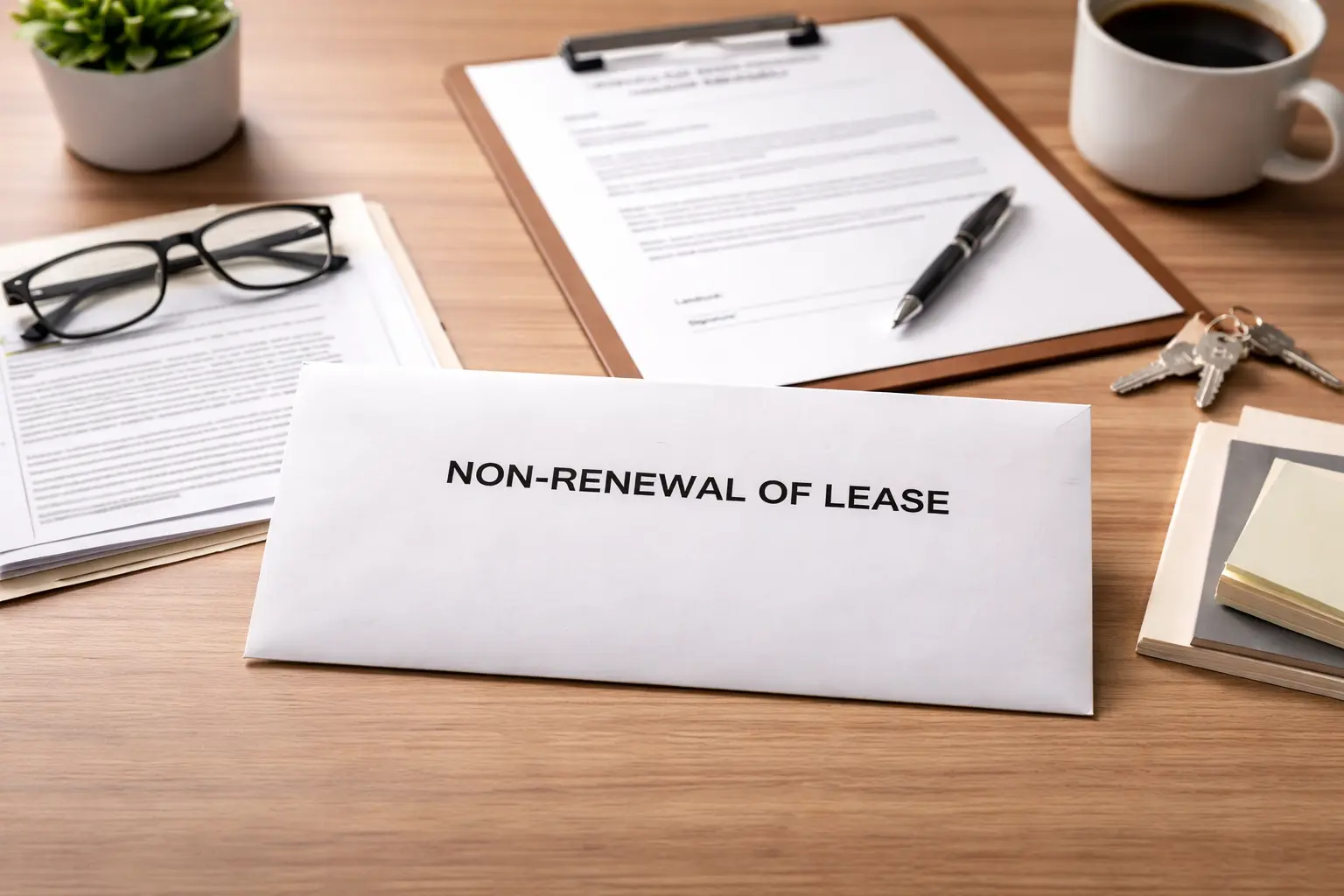

A fixed-term contract may seem secure, but unexpected life changes can lead to costly penalties if you need to break the lease. On the other hand, a month-to-month lease provides greater flexibility, but your landlord can raise the rent or terminate the lease with little notice. Ultimately, the choice is between predictable, controlled risk, and each has its own advantages and disadvantages.
Key Takeaways
- Breaking a fixed lease can cost several months of rent, making flexibility the cheaper option if there's any realistic chance you might need to move.
- Month-to-month leases carry a higher monthly cost, but the premium is predictable and often cheaper than a lease-break penalty.
- Fixed-term leases give you price stability and secure housing for the full term, shielding you from surprise increases or early move-out demands.
- You can negotiate term length, buyout fees, renewal terms, and even month-to-month premiums before signing.
- Choose a lease that aligns with your current life stage, career, and likelihood of relocation, rather than focusing solely on the rental price.
Choose a Month-to-Month Lease When Flexibility Is the Priority
A month-to-month lease is the safest option when your timeline is uncertain. If you're exploring a new city, planning a transition, or expecting a relocation, being able to move with just 30 days' notice can help you avoid substantial exit costs. In contrast, a fixed-term lease may trap you into paying a penalty of 2 to 4 months' rent. For example, if your rent is $2,000 a month, you could face a penalty ranging from $4,000 to $8,000.
With a month-to-month arrangement, you can avoid this risk entirely. However, it's important to note that most landlords will charge a premium of 7% to 10% for this flexibility, which on a $2,000 apartment translates to an additional $140 to $200 per month.
During times of change, such as starting a new job or entering a new relationship, flexibility is important. Month-to-month rentals let you adapt without losing money or having to find someone to take over your lease. However, they do come with less stability, as landlords can increase the rent or terminate your tenancy with notice. It's wise to have a backup plan and be prepared for potential rent fluctuations.
In summary: Month-to-month leases are ideal when the value of freedom outweighs the need for certainty, and the advantages of easy moving outweigh the risk of an increased monthly cost.
Pro Tip: If you're a good tenant, ask your landlord to waive the month-to-month premium after six months. Many will agree to retain a reliable tenant at the standard rate, allowing you flexibility without extra costs.
Choose a Fixed-Term Lease When Stability and Predictability Matter
A fixed-term lease gives you the two things month-to-month tenants can't rely on: locked-in pricing and guaranteed housing. When you sign a 12-month or longer lease, your rent stays the same throughout the lease term. Your landlord cannot raise it mid-term, ask you to leave without cause, or suddenly change the terms.
Fixed-term leases offer valuable stability in competitive housing markets, especially when local rents rise by 5-10%. While fixed renters benefit from predictable monthly payments, month-to-month renters face increasing costs. These work best if you have a steady job and no immediate plans to move, reducing stress over future housing costs.
However, the downside is the penalty for early termination, which can range from two to four months' rent, and on a $2,000 unit, that can total up to $8,000. Additional fees for advertising or cleaning can also apply, making fixed-term leases risky for those whose plans might change.
In summary: Fixed-term leases work best for renters with stable jobs, stable plans, and a preference for certainty over mobility.
Pro Tip: If you're confident you'll stay for more than a year, ask for an 18- or 24-month lease. Landlords value long-term stability and will often offer a lower monthly rate or a smaller renewal increase in exchange for the extended commitment.
Calculate Your Financial Exposure Before You Sign
Most renters compare only the listed rent, which is a mistake. The real comparison is total exposure, the cost you face if things go wrong. Here's the proper breakdown:
Month-to-Month Lease
- Typical premium: 7-10%
- On $2,000 rent: $140-$200 extra per month
- Over 6 months: $840-$1,200
- Over 12 months: $1,680-$2,400
- Exposure type: predictable monthly increase
Fixed-Term Lease
- Early termination fee: 2-4 months' rent
- On $2,000 rent: $4,000-$8,000
- Exposure type: large, unpredictable lump sum
Which risk is bigger for you?
-
Scenario A: You stay the full term.
→ Fixed-term is cheaper by a wide margin. -
Scenario B: You move mid-lease.
→ Month-to-month saves you thousands. -
Scenario C: You're unsure.
→ Calculate the odds.
If there's a 20-30% chance of relocating, choosing month-to-month flexibility is often wiser. It's like insurance, you pay a predictable amount to avoid a surprise cost, and locking into a fixed-term lease during uncertain times isn't a wise choice.
Pro Tip: Divide the lease-break penalty by the monthly premium to find your break-even month. If you're not absolutely sure you'll stay longer than that, choose month-to-month.
Avoid Surprises at Renewal or Lease End
Both lease types can turn expensive fast if you miss critical deadlines. Month-to-month tenants must give written notice, typically 30 days, before moving out. Miss the deadline, and you're automatically on the hook for another whole month of rent. Landlords must also provide proper notice before raising rent or ending the tenancy. Still, even proper notice can create sudden pressure.
Fixed-term leases have clearer start and end dates, but many include automatic rollover clauses. If you fail to notify your landlord 30-60 days before your lease ends, the contract may convert into month-to-month at a higher rate. Some landlords even increase rent by 10-15% upon rollover, counting on renters to overlook the notice requirement.
You can avoid these traps with one rule:
Set a reminder 90 days before your lease ends.
This gives you time to evaluate the market, negotiate renewal terms, or prepare for a move without financial penalties. Late decisions create expensive outcomes. Early planning prevents them.
Pro Tip: Always send your notice to vacate via certified mail or an email with a read receipt. This creates a legal record that you complied with the lease terms, protecting you from disputes over your security deposit.
Protect Yourself by Reading the Clauses That Determine Cost
Renters often face problems due to overlooked clauses in their lease rather than obvious issues. Understanding three key sections of your lease can help you avoid future conflicts:
- Early Termination Clause: Some leases have a fixed buyout fee for early termination, while others require you to pay the full remaining balance until the unit is rented again. This difference can cost you thousands of dollars.
- Automatic Renewal Clause: This clause determines whether your lease ends cleanly or continues at a new rate. Some leases automatically transition to a month-to-month agreement at a higher price, while others renew for another fixed term.
- Notice Requirement: This part of the lease specifies when you must inform your landlord of your plans to move out. Missing this deadline could result in owing another whole month's rent or being bound to a renewed lease term.
Proper documentation is essential for your protection. Take photos of the unit before moving in and email them to your landlord. Save all receipts, notices, and maintenance requests. If disputes arise regarding your security deposit, these records can be valuable leverage.
Pro Tip: If any clause is ambiguous, ask for clarification in writing. A landlord unwilling to clarify terms up front is showing you what future interactions will be like.
Negotiate Your Terms Before You Sign
Most renters sign leases as-is without realizing that nearly every term is negotiable. You can ask for shorter lease terms, lower premiums, buyout clauses, or renewal protections, but you must do so before signing.
If a 12-month lease seems too restrictive and a month-to-month premium feels too high, consider proposing a 6 or 9-month lease. Landlords value stability, and many are willing to compromise rather than risk extended vacancies.
You can also negotiate early termination terms, such as:
- a one-month buyout option
- a capped termination fee
- permission to find a replacement tenant
These items can significantly reduce your potential costs from several thousand dollars to a more manageable amount. Also, your negotiating power increases during slower seasons (November to February), when landlords are more likely to struggle with vacancies. In addition, having strong credit, reliable income, or a clean rental history gives you more leverage.
Pro Tip: When negotiating, mention your strengths as a tenant, such as strong credit, stable income, positive references. Landlords are more likely to offer concessions to a reliable applicant who is less likely to cause problems later.
Conclusion
A lease is more than paperwork. It's a financial structure that determines how much control you have over your housing, your budget, and your ability to adapt when life shifts. Month-to-month leasing protects you from expensive surprises when your plans might change, while fixed-term leasing locks in stability and shields you from sudden price increases, as long as you're confident you'll stay the full term.
The choice comes down to one question: Is your future stable or uncertain? If stable, fixed-term saves money and stress, but if there's any real chance of change, flexibility is often worth the premium.