
You find what seems like the perfect apartment with great photos and a reasonable price. After moving in, you discover issues like noisy neighbors, unexpected utility costs, and hefty early-lease termination fees. To protect yourself, ask targeted questions to uncover potential deal-breakers before signing the lease.
Key Takeaways
- Hidden fees can add hundreds to your monthly costs, so request a complete breakdown of every charge before you calculate affordability.
- Test everything during your tour: flush toilets, run faucets, check locks, and plug in your phone to catch maintenance red flags the landlord won't mention.
- Visit the property in the evening or on weekends to gauge real noise levels when residents are actually home.
- Get every promise in writing because verbal assurances about repairs, fees, or lease flexibility mean nothing if they're not in the contract.
- Walk away if something feels wrong during the tour, because getting out of a bad lease later is far more expensive than finding another apartment now.
Verify Safety Features Before You Commit
Your apartment should be a secure space, not a source of anxiety. Don't assume safety measures are sufficient just because the unit looks nice. Start with the basics: ensure working smoke alarms and carbon monoxide detectors are in every required location. As of December 2024, HUD mandates that federally assisted housing must have hardwired or 10-year sealed-battery smoke alarms in bedrooms, hallways, and on every level.
Inquire about security features like secure doors, intercoms, cameras, and on-site staff. Check if locks have deadbolts and peepholes, and confirm the landlord will rekey them before you move in. Ask about neighborhood safety and recent break-ins, including how management responded. Also, observe lighting in common areas and parking lots at night.
Questions to ask:
- What security features does the building have, and are entry points monitored or controlled?
- Are the door and window locks in good condition, and will you rekey them before I move in?
- How would you describe neighborhood safety, and have there been any recent security incidents?
- Are parking areas and walkways well-lit at night?
Pro Tip: Visit the property at night or on weekends to check lighting, foot traffic, and safety. Test door and window locks during your tour. If something feels off now, it likely won't change after signing the lease.
Uncover Every Hidden Cost Upfront
The advertised rent is just the starting point, and actual monthly costs can be much higher due to utilities, fees, and deposits. The FTC has warned about hidden "junk fees" that inflate costs. While their new rule doesn't cover rental housing, landlords often charge for amenities and services not included in the base rent.
Find out exactly what the monthly rent includes, like water or trash, and whether you'll pay separately for utilities like electricity and gas. Inquire about average utility costs to budget appropriately. Also, ask about additional monthly fees for parking, pest control, or online payment processing. Don't forget one-time costs like application fees, security deposits, pet deposits, and move-in charges.
Questions to ask:
- Which utilities are included in the rent payment, and what's the average monthly cost for utilities I'll pay separately?
- Are there additional monthly fees for parking, amenities, trash, pest control, or online payment processing?
- How much is the security deposit, is it refundable, and what cleaning or repairs might reduce my refund?
- Are there move-in specials or discounts, and are there any one-time move-in fees, such as elevator reservations or admin charges?
- Is renters' insurance required? If so, what is the minimum coverage required, and approximately how much will it cost?
Pro Tip: Ensure that all fees the landlord verbally mentions are also documented in the lease. Verbal promises are meaningless if the lease states otherwise. Get a complete cost breakdown to know the actual monthly expense before comparing apartments.
Clarify Lease Terms to Avoid Getting Trapped
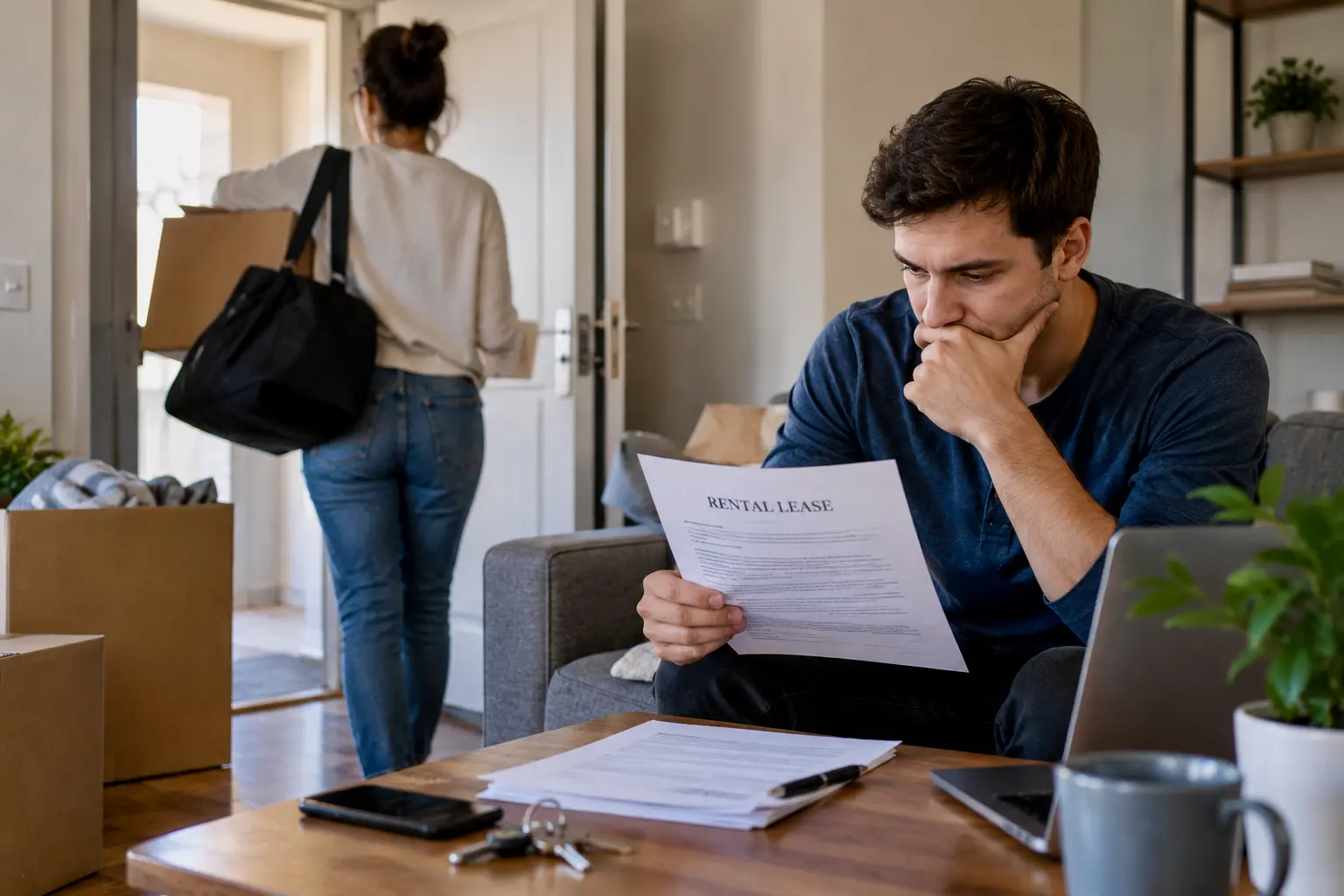
A lease is a legal contract, so you should fully understand it before signing. Many renters skim their leases and later find themselves in inflexible agreements. Life can change quickly; new jobs, family relocations, or apartment issues can arise. Ensure your lease won't trap you or cost you too much if circumstances shift.
Ask about lease length options and whether you can switch to a month-to-month arrangement after the initial term. Check early-termination penalties, as many leases impose hefty fees or require you to forfeit your deposit. Some landlords may allow subletting to avoid penalties. Always request a sample lease to identify any unusual clauses, such as automatic rent increases or strict guest policies, before signing.
Questions to ask:
- What lease term options are available, and do shorter leases cost more per month?
- What happens if I need to move out early? Is there an early termination fee, and can I sublet or find a replacement tenant?
- Are there fees or notice requirements for ending or renewing the lease, such as automatic renewal unless I give 60 days' notice?
- Can we add verbal agreements to the written lease, and can I review a copy before signing?
Pro Tip: Never rely on verbal promises. If the landlord agrees to repaint, allow pets, or let you out of the lease, get it in writing. Protect yourself with documentation.
Confirm Maintenance Support Is Reliable
A beautiful apartment can quickly feel miserable if maintenance is slow or lacking. When something breaks, and it will, you need to trust that your landlord will fix it promptly and correctly. While landlords are legally required to keep rentals habitable and make timely repairs, their response times and quality can vary significantly.
Ask how to submit maintenance requests. Whether there's an online portal, phone hotline, or if you email the landlord. Inquire about response times for routine issues versus emergencies and confirm there's a 24/7 emergency maintenance number. During your tour, note the property's overall condition. Clean hallways and well-kept common areas indicate a landlord's commitment to upkeep.
Questions to ask:
- How do I submit maintenance requests, who handles repairs, and what's the typical response time?
- Is emergency maintenance available 24/7 for critical issues like flooding, lockouts, or heating failures?
- What's the pest control policy? How often is it done, and have there been any recurring pest problems?
- Are there planned renovations or major repairs coming up that could disrupt my living situation?
Pro Tip: During your tour, check the apartment's features: flush the toilet, run the sink and shower to test water pressure and hot water, flip the light switches, and plug in your charger. This hands-on approach helps identify maintenance issues, such as slow drains or flickering lights, before you sign.
Gauge Noise Levels and Neighbor Dynamics
A beautiful apartment is worthless if noise prevents you from sleeping or working. Noise ranks among the top quality-of-life complaints and is a common regret for unhappy renters. Don't overlook this during your tour. While you can't entirely predict noise levels until you live there, you can get a sense of what to expect.
Inquire about noise policies and quiet hours to see if there are rules against loud music late at night. If the unit is near a busy street or train, ask about soundproofing. Learn the typical tenant demographic, as a building full of college students may have different noise levels than one with families or young professionals. Current tenants can provide valuable insights, so consider asking a neighbor in the hallway, "Hi, I'm thinking about renting here. Do you find it quiet?"
Questions to ask:
- Are there established quiet hours or noise rules, and how are they enforced?
- Have there been noise complaints in the past, and how were they resolved?
- What kinds of neighbors live here- students, professionals, families- and how would you describe the community atmosphere?
- Is the apartment sound-insulated, especially between floors and walls?
Pro Tip: Visit the building during off-hours to assess noise levels from cooking, TV, or socializing. End units or top floors are usually quieter because there are fewer neighbors.
Verify Amenities and Utilities Meet Your Needs
Amenities and utilities affect your comfort and budget. Ensure the features you value are in good condition, accessible, and worth any extra cost.
Create a list of your top amenities. If you have a car, secure parking may be crucial. For remote work, reliable high-speed internet and a quiet space are essential. During your tour, evaluate amenities: is the gym clean and well-equipped? Is the laundry room well-lit with modern machines? Inquire about maintenance frequency and any extra usage fees.
Questions to ask:
- What amenities are on-site? Are they free to use, and are there operating hours or reservation requirements?
- Is there laundry in-unit or on-site? If on-site, how many machines are there, and what's the payment method?
- How is parking handled? Is there an assigned spot, a parking fee, and is guest parking available?
- Which internet and cable providers service the building, and are there high-speed options?
- Are heating and air conditioning individually controlled, or is it centralized?
Pro Tip: Unused amenities in your rent are extra costs. Focus on what's important. If an apartment lacks essential features like parking or a dishwasher, consider if you can compromise or if it's a deal-breaker.
Choose a Location That Supports Your Lifestyle
The apartment is just part of the equation. Its location and neighborhood significantly impact your satisfaction. A beautiful unit won't help if you're facing long commutes, a lack of nearby groceries, or safety concerns.
Assess neighborhood safety and accessibility. If you're unfamiliar with the area, consult online crime maps or local police for statistics. During your tour, ask the landlord about nighttime safety and observe their response. Look for good street lighting, secure entrances, and protected mailboxes. Also, consider how close the area is to your work, school, grocery stores, parks, and public transit.
Transportation is key. If you drive, check traffic patterns and street parking rules. For public transit, find out which bus or train lines serve the area and how far each stop is from the area. Consider commuting to your workplace during rush hour to assess conditions. Cyclists should ask about bike storage and the area's bike-friendliness.
Questions to ask:
- How convenient is the location for daily needs, such as grocery stores, banks, pharmacies, and other essential services?
- What public transportation options are available, where are the nearest stops, and how long is the typical commute?
- Is the area walkable or bikeable with sidewalks, bike lanes, and pedestrian-friendly streets?
- Are there neighborhood noise or nuisance issues, such as nearby bars, fire stations, or hospitals that generate noise?
Pro Tip: Identify key destinations from your apartment, and assess travel times and options. A higher rent may be worthwhile if it saves you time or offers a safer, more convenient living space.
Conclusion
Apartment hunting can be stressful, but asking the right questions during your tour can help you avoid regrets. Trust your instincts before signing any documents. Consider a second walkthrough or bringing a friend for a fresh perspective, since they may notice issues you missed.
Remember, you deserve clear answers and assurances for a safe, comfortable home. A good landlord will respect your questions and address your concerns. The goal is to find a place where you can live happily and safely during your lease, and it's often cheaper to keep searching than to deal with a bad lease later.