
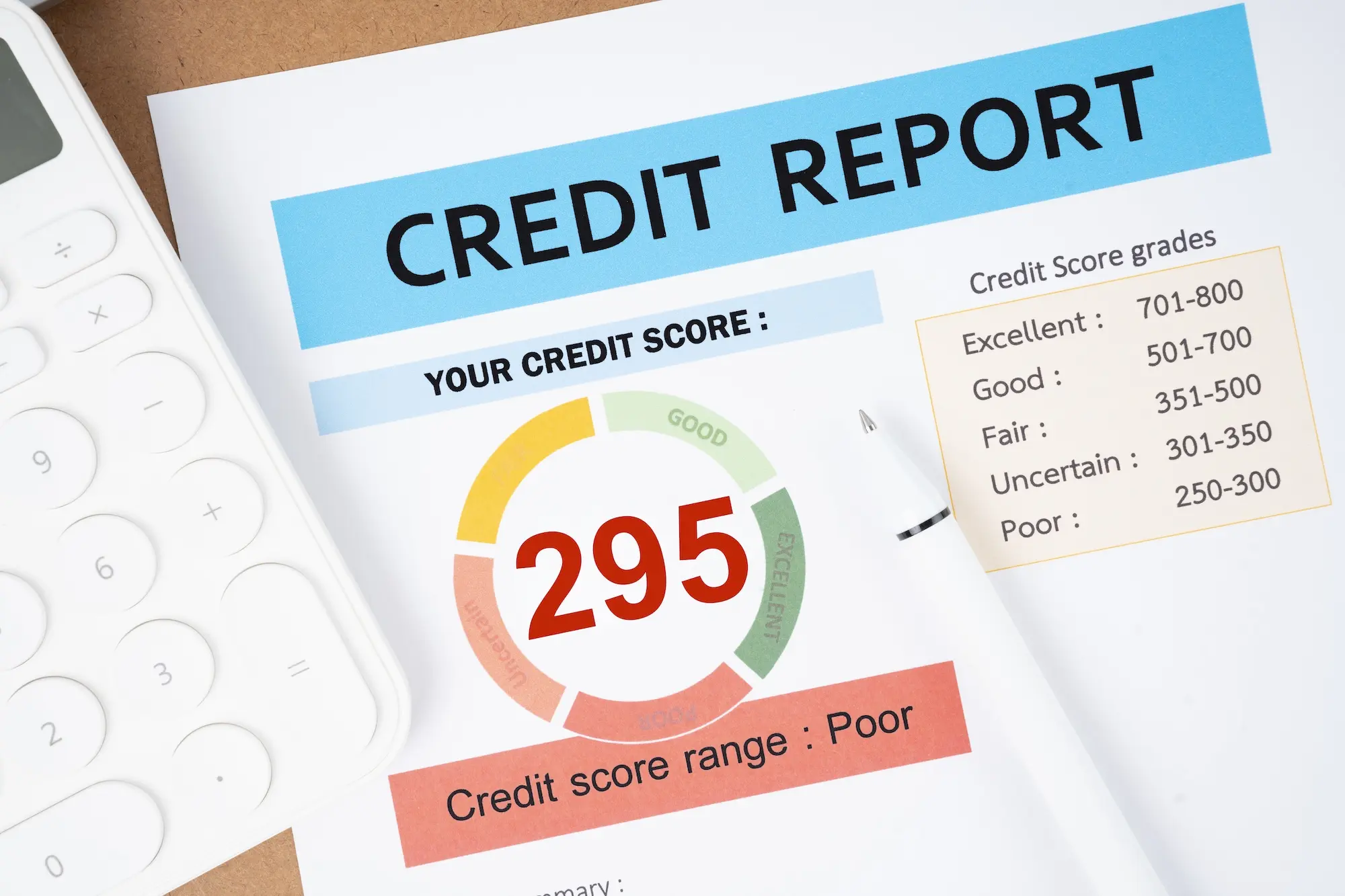
For renters with bad credit, every application can feel like a gamble. You worry about being rejected or hit with a massive security deposit each time you apply. This stress can lead you to settle for subpar units or consider questionable "no credit check" offers out of desperation.
Landlords typically use credit reports to screen prospective tenants. If your credit is poor, it may indicate a higher risk of denial or a requirement for a larger deposit. However, by employing effective strategies to highlight your strengths and address any concerns, you can demonstrate to potential landlords that you are a reliable tenant, regardless of what your credit score indicates.
Key Takeaways
- Offer tangible incentives like a larger deposit or a few months' rent upfront to offset the risk of your low credit.
- Come prepared with proof of a stable income and solid references to demonstrate your reliability and trustworthiness.
- Consider enlisting a co-signer or roommate with good credit to balance out your application.
- Focus your search on individual landlords or rentals that advertise flexible credit requirements.
- Be upfront about past credit issues and explain how you're working to improve, which can help build trust.
Check and Fix Your Credit Ahead of Time
Don't enter the rental process without preparation. Start by pulling your free credit report from Equifax, Experian, and TransUnion. Check for errors like misspelled names or outdated collections that could be dragging your score down unfairly.
If you spot errors or old debts that should've fallen off, dispute them right away because a corrected credit report could bump up your score or at least remove red flags. Additionally, addressing any quick-fix issues within your control, such as paying down a small credit card balance, can improve your score in a matter of weeks.
Pro Tip: Use a rent reporting service that reports your on-time rent payments to the credit bureaus, which can help improve your credit scores over time.
Gather Proof of Income and References
Treat your rental application like a job application. You need to demonstrate your qualifications, regardless of the number of applications you submit. Assemble a packet of convincing documentation to support your claims.
This should include:
- Recent pay stubs
- W-2 forms or bank statements proving steady income
- Letter from your employer confirming salary and status
Next, collect reference letters from past landlords, current employers, and colleagues who can vouch for your responsibility and character. If you consistently paid your previous rent on time, ask your former landlord for a brief note confirming this, or use bank records to demonstrate a history of timely rent payments.
The goal is to give the landlord concrete reasons to trust that you'll pay on time and be a responsible tenant, even if your credit score isn't stellar.
Pro Tip: Ask your former landlord to mention not just on-time payments but also how you communicated or maintained the property, anything that makes you stand out as more than "just not late."
Offer Upfront Cash for Peace of Mind
Money talks, especially when a landlord is nervous about your credit. Most rentals already require a security deposit and the first month's rent upfront, but offering a bit extra can tip the scales in your favor.
For example, you could offer to pay two or three months' rent in advance or increase the deposit beyond the minimum. This extra cushion demonstrates your seriousness and provides the landlord with added peace of mind in the event of an issue.
Other options to consider:
- Propose a shorter lease term (like a six-month trial), which gives the landlord an "out" if things don't work out.
- Set up automatic payments to ensure that rent is always paid on time.
- Show proof of renter's insurance, which demonstrates responsibility and protects both parties.
Pro Tip: If you offer more upfront, get the agreement in writing and request a clause confirming that the extra payment is refundable if you renew on time for 12 months.
Add a Co-Signer or Roommate with Good Credit
If your solo application isn't strong enough, consider bringing someone else on board who has a better financial profile. A co-signer (or guarantor) is often a family member or close friend with good credit who signs the lease with you and agrees to cover the rent if you are unable to do so.
Having a co-signer can significantly boost a landlord's confidence in renting to you. It's a big ask, so make sure your co-signer understands the responsibility and trusts you, as any failure to pay will impact both your and their credit reports.
Another approach is to team up with a roommate who has a solid credit history and a stable income. By applying together with a financially stable roommate, you become less of a risk in the landlord's eyes (since there's another source of rent). Even moving into an existing lease as a subletter or additional tenant can be easier, as you'll share the financial load.
Both these options hinge on trust and clear agreements, but they can open doors that might otherwise stay closed due to your credit alone.
Pro Tip: If you're using a co-signer, bring a completed co-signer form and proof of credit to expedite the approval process and demonstrate your preparedness.
Seek Out Rentals with Flexible Credit Requirements
Not all rentals treat credit scores as the ultimate deciding factor. Large property management companies and high-end apartment complexes are more likely to have strict credit score cutoffs and rigid policies. Individual private landlords or smaller management companies might be more flexible, and some may even skip credit checks entirely for applicants who can demonstrate reliability through other means.
Look for listings that advertise "no credit check" or "second chance" renting. Just be cautious and vet them to avoid scams. Smaller landlords might appreciate meeting you in person so you can explain your situation and make a good impression.
Remember, there are rentals available that don't require perfect credit, so focus on those opportunities instead of wasting time (and application fees) on places with strict requirements.
Pro Tip: Try apartment hunting right after the first of the month or in the off-season, as landlords may be more open to flexible terms when demand is low.
Be Upfront and Demonstrate Responsibility
Honesty can go a long way in easing a landlord's concerns. Rather than hoping they won't notice your credit history, be proactive and bring it up once you're in serious talks or at a viewing.
Briefly explain why your credit is low, keep it factual, and own up to any mistakes. If job loss or medical bills have led to missed payments, explain the circumstances without making excuses. Crucially, emphasize what you've done since then to turn things around: you paid off a debt, started a side job for extra income, or set up a budget plan.
Showing that you're actively improving your situation can make a difference. It signals to the landlord that you're responsible and not likely to repeat past mistakes. Pair your explanation with the documentation you've prepared (proof of income, references, etc.) to reinforce your case.
By being upfront, you control the narrative and demonstrate that you have nothing to hide, which can help build trust.
Pro Tip: Explain what caused your credit issues and what you've changed to prevent it from happening again.
Conclusion
Bad credit can feel like a dead end, but it's just a hurdle you can clear with the right strategy. You have more to offer than a credit score. By emphasizing your reliability and adding extra assurances, you shift the focus to what makes you a great tenant.
Timing can also work in your favor. Try apartment hunting in the off-season (typically November through February) or just after the first of the month, when landlords may be more motivated to fill vacancies. Combine that with solid documentation and a proactive approach, and you dramatically increase your chances of approval.
Although this process may require more effort and honesty on your part, it can help you secure a place you love and start rebuilding your rental reputation for the future.