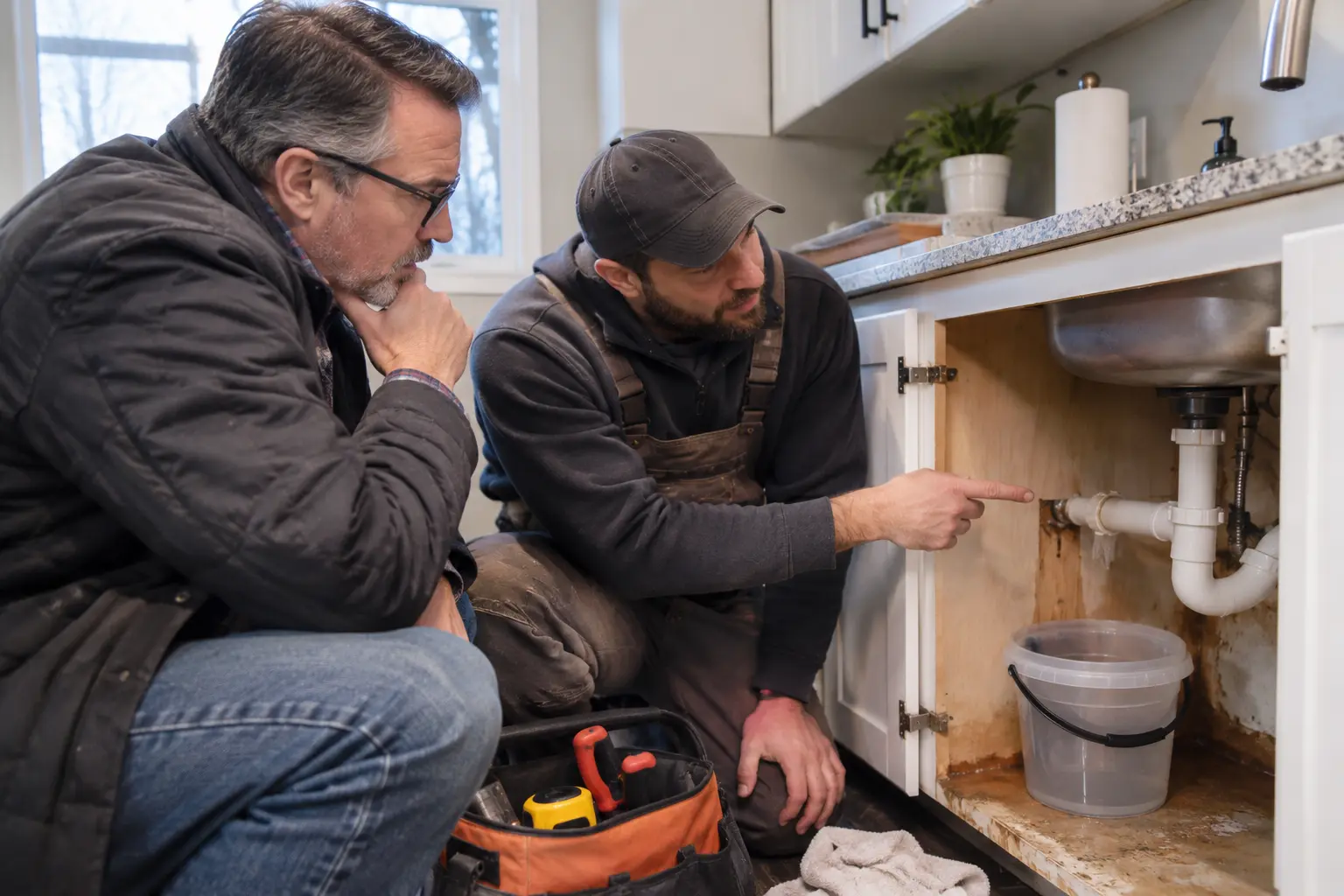
The call comes on the coldest morning of the year: water through a ceiling, a tenant on the phone, and a plumber who can't get there until noon. You have to spend money to stop the damage before anyone knows why the pipe split. Who ends up paying is settled afterward, by what caused the freeze, what the lease asks of the tenant, and which insurance policy covers each part of the loss.
Key Takeaways
- Usually the landlord pays to repair the pipe and the building, and the tenant's renters insurance pays for their belongings.
- The tenant can owe you when their own conduct, such as turning the heat off before a trip, caused the freeze.
- Authorizing the plumber and the drying crew stops the loss from growing and concedes nothing about fault.
- A plumber's written finding on why the pipe froze decides who is responsible.
- Bill a tenant only for losses you can document and that no insurer has already paid.
Who Pays for a Frozen Pipe?
In most rentals, the landlord pays to repair the pipe and the damaged building, because plumbing and heat are the owner's to maintain. The tenant's own renters insurance pays for their belongings. The answer changes when the tenant caused the freeze, and either way, you arrange and pay for the emergency work first, then settle who owes what.
Water damage and freezing claims averaged $15,400 from 2019 through 2023, according to the Insurance Information Institute, and the category made up between a fifth and more than a quarter of homeowners insurance losses each year. Those are homeowners figures rather than rentals, but they show what a few hours of running water can cost.
How the cost usually splits:
| What happened | Pipe and building | Tenant's belongings | Bill the tenant? |
|---|---|---|---|
| Heat failed, or the pipe was never protected | You, through your landlord policy if it covers the loss | Their renters policy, whose insurer may seek repayment from you | No |
| Tenant shut off the heat or left a window open | You arrange and claim it, and your insurer may pursue the tenant | Their renters policy | Your deductible and uncovered costs, with evidence |
| Unit sat empty between tenants | You. Policies commonly exclude freezing unless the water was shut off and the lines drained | No tenant affected | No |
| Nobody can say why it froze | You, through your policy | Their renters policy | Hard to support without a written finding |
Your lease, your policy, and local law can each change a row.
Paying the emergency plumber keeps a small loss from becoming a large one. It is not an admission that you caused the break, and it releases the tenant from nothing.
Repair duties come from two places at once. Major plumbing and heating systems stay a landlord concern in most states, regardless of what the lease says, and the lease fills in the rest. A lease can assign the tenant specific duties around heat and reporting, and make a breach the basis of a damage claim. It cannot waive obligations that local law treats as nonwaivable, which is why a clause declaring the tenant responsible for every frozen pipe regardless of cause often collapses when it matters. An enforceable lease does better by naming the conduct required in cold weather.
Pro Tip: Tell the restoration vendor in writing that you are authorizing mitigation under a reservation of rights. That keeps a signed work order from being read later as an admission that the building caused the loss.
Stop the Damage Now
Every hour of uncontrolled water widens the repair area. Get the tenant away from standing water near outlets and panels, and out from under any sagging ceiling, then work through the sequence:
- Shut off the main water valve if you can reach it safely. It should be labeled in every unit before the first freeze, so nobody has to hunt for it with water on the floor.
- Arrange lawful emergency access if the tenant is away. Follow the lease and local rules on entering during an emergency, and log each attempt to reach them.
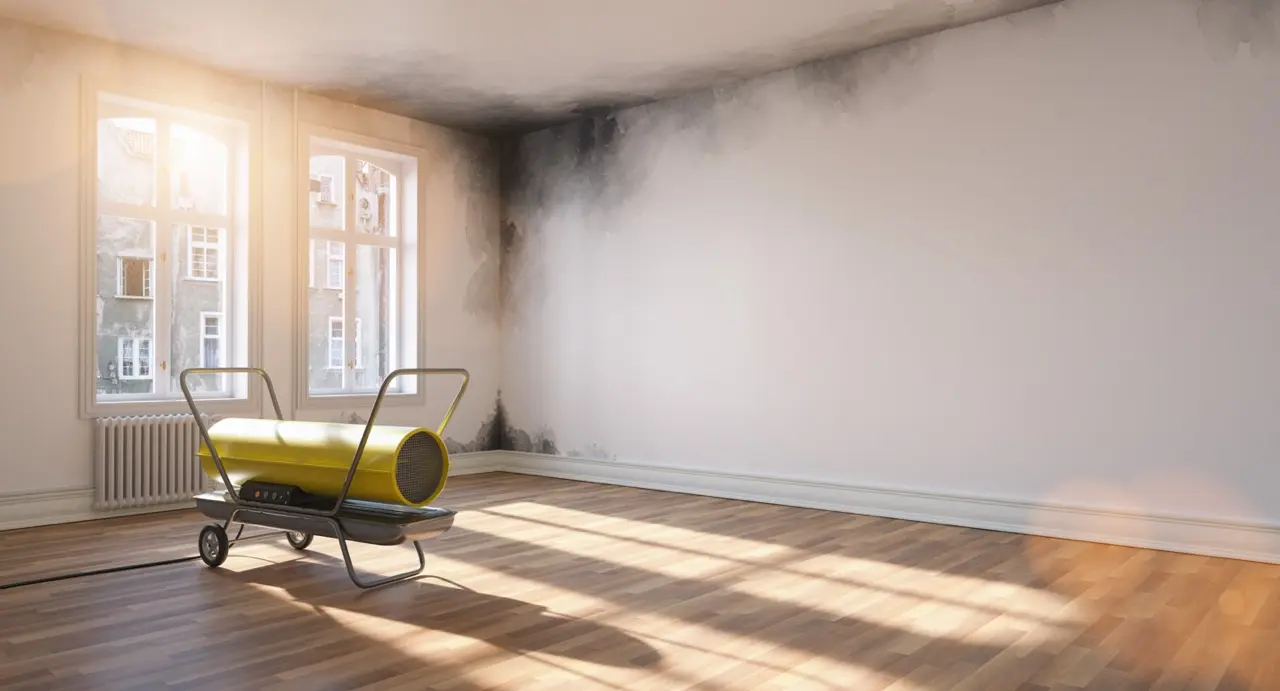
- Call a licensed plumber and a water-remediation crew. The crew extracts water, opens wet assemblies, and dries the structure.
- Photograph the pipe area, the thermostat, and wet materials before anything is cut out.
- Notify your insurer and begin drying without waiting for an adjuster to walk the unit.
Never thaw a pipe with a torch or other open flame. For pipes you can reach, the Red Cross suggests safer ways to thaw them, such as a hair dryer or a space heater kept clear of anything flammable. A frozen section inside a wall is a job for a licensed plumber.
Give the insurer prompt notice, but don't let preventable damage continue while you wait. Keep photographs and video of the damage and a list of what was ruined, the same records any homeowners insurance claim needs. Review your deductible before you file, and hold damaged materials for the adjuster where you can.
The EPA recommends drying wet materials within 24 to 48 hours to keep mold from taking hold. Water contaminated by sewage is a different job that calls for professional handling.
Pro Tip: Shoot a wide view of each room before demolition, then close-ups of the break. Without pre-demolition images, nobody can separate freeze damage from the holes your contractor made.
Find the Cause
A frozen pipe doesn't prove the tenant was careless. When one section fails, and the rest of the building is fine, the reason usually lies in how that run was built, insulated, or heated.
Ask the plumber or restoration contractor for a written cause statement covering:
- The break location and the likely freeze mechanism
- The condition of pipe insulation and the surrounding wall cavity
- Available heat at the pipe, and any sign of mechanical failure
- Whether physical conditions support the tenant conduct you suspect
The location of the break usually settles it. A pipe run through an uninsulated exterior wall points to a building defect. If the furnace faulted, your maintenance history becomes the issue. Thermostat readings alone can be inconclusive when the pipe ran through an unheated void the thermostat never measured. Deterioration and poor installation belong in a different category from sudden tenant-caused damage, and your read on normal wear and tear should account for the age of each failed component.
Build the file around timestamps:
- The tenant's first report and the outdoor temperature when it came in
- Thermostat or sensor records, with the device's time zone
- Utility status, and who held the account if service had been shut off
- Maintenance history and any earlier freeze complaints at that unit
Keep original messages and device reports rather than typed summaries. Put a suspected breach in writing only once you can name it. The same measured approach that works for lease violations applies here: cite the clause and ask for the tenant's response before you assign a cost.
Pro Tip: Keep the failed section of pipe, labeled with the date and unit. A lengthwise split is typical of a freeze, while a corroded pinhole points to an aging pipe your insurer may refuse to cover.
Which Policy Pays for What?
Don't treat the whole thing as a pipe bill. There are four buckets, each carrying its own policy and deductible.
- The pipe and the building. The failed line, plus drywall and flooring. State Farm, for example, typically covers a frozen or burst pipe when reasonable care was used to keep the home heated, and typically doesn't when it wasn't.
- Your own contents. Appliances, maintenance equipment, furniture in a furnished rental. Limits and covered causes can differ from the building coverage.
- The tenant's belongings and living costs. Your landlord policy protects the structure and your income, not the tenant's furniture, and an insurer that pays your claim may pursue a tenant who caused it. Tell the tenant to open a claim with their own carrier, and send along what renters insurance covers, because tenants often assume your policy handles their things. Renters coverage pays for belongings and for loss of use after a covered loss, with separate limits.
- Damage to someone else. Water in the apartment downstairs can open a separate property or liability claim. Notify your carrier even if you believe the tenant caused the freeze, and tell the affected neighbor to call theirs.
Read the declarations page first, then the water and freezing exclusions. Check the heat-maintenance requirement, any vacancy condition, your deductible, and the loss-of-rent limit.
Lost rent and temporary housing are separate questions. Fair rental income coverage may replace qualifying rent while a covered loss keeps the unit unlivable, but it doesn't pay a hotel bill. Lodging usually comes from the tenant's loss-of-use coverage. Confirm how loss-of-rent coverage pays and for how long before you tell anyone insurance will replace every missed payment.
Say a tenant turns off the heat a week before leaving, and a pipe in an exterior wall bursts, soaking the wall and the tenant's furniture. The building loss goes to your landlord's carrier, and you pay the deductible. The tenant submits the furniture to their renters carrier. If the evidence holds, the tenant's liability coverage may respond to the building damage. You cannot collect the same repair cost twice.
Pro Tip: Code every invoice line to one bucket before it reaches an adjuster. A single bill mixing structural drying with replacement of your own appliances slows all the decisions, not just the disputed one.
Handle an Uninhabitable Unit
Decide first whether the tenant can stay safely. Loss of heat or safe access to part of the home may cross the habitability line, and where that line sits varies by state and city, so check your own jurisdiction's standard.
Write to the tenant the same day with what happened and which rooms are off limits. Say when contractors will be in the unit and when the next update comes. Don't promise a completion date before demolition shows the scope.
Tenants who believe an owner is dragging out necessary work have remedies for unaddressed repairs in many states, which is reason enough to move fast. If the unit can't be restored soon, put any agreement about reduced rent or ending the lease early in writing.
In New York, for example, landlords must keep plumbing and heating in working order, though conditions the tenant caused are treated differently, and other states draw those lines differently.
Ask both carriers what they will cover while the unit sits empty, though neither answer settles what you owe the tenant under state law. Even when negligence looks likely, you can reserve your rights in writing without slowing restoration by a day.
Pro Tip: Set one fixed update time each day during remediation. Predictable calls cut missed access appointments and stop crews from arriving before the tenant has moved pets or valuables out of the work area.
Can You Charge the Tenant?
Hold the demand until the evidence is in. A lease clause and a low thermostat reading may support your position, but neither replaces a professional finding on why the pipe froze.
When negligence looks supported, notify both carriers and ask yours whether it intends to pursue reimbursement before you bill the tenant. Your insurer may hold subrogation rights, and a separate demand from you can cut across that.
Limit your demand to documented, lawful losses nobody else has paid: your deductible, plus any excluded repair traced to the tenant's breach. Subtract insurance payments and vendor credits.
Then itemize. Name the conduct and the lease term it breached, attach the cause evidence and the invoices, and give the tenant a way to respond. Don't add an invented administrative fee, and don't bill estimated work as though it were finished.
A reimbursement request during the tenancy is a different thing from a deduction at move-out. Don't pull money from an active deposit on your own authority. State rules govern when a deposit may be applied, and the security deposit mistakes that cost owners money usually start with treating a deposit as a repair account.
Pro Tip: Ask the adjuster in writing which costs the carrier has paid or reserved for recovery. Billing a tenant for an amount your insurer is already chasing can damage both claims.
Prevent the Next Freeze
Turn the incident into a plan for this specific building. Telling tenants to use reasonable care gives them nothing to act on and gives you nothing to enforce.
Before the next cold stretch:
- Inspect exposed plumbing and insulate vulnerable hot and cold lines
- Service the heating equipment and label the main shutoff
- Confirm that low-temperature and leak sensors still send alerts to a phone someone answers
- Line up emergency vendors and write down who controls each utility at each unit
Pipes in exterior walls and unheated crawl spaces deserve the closest look. Seal the air leak around a repaired line too, or the same run can freeze again.
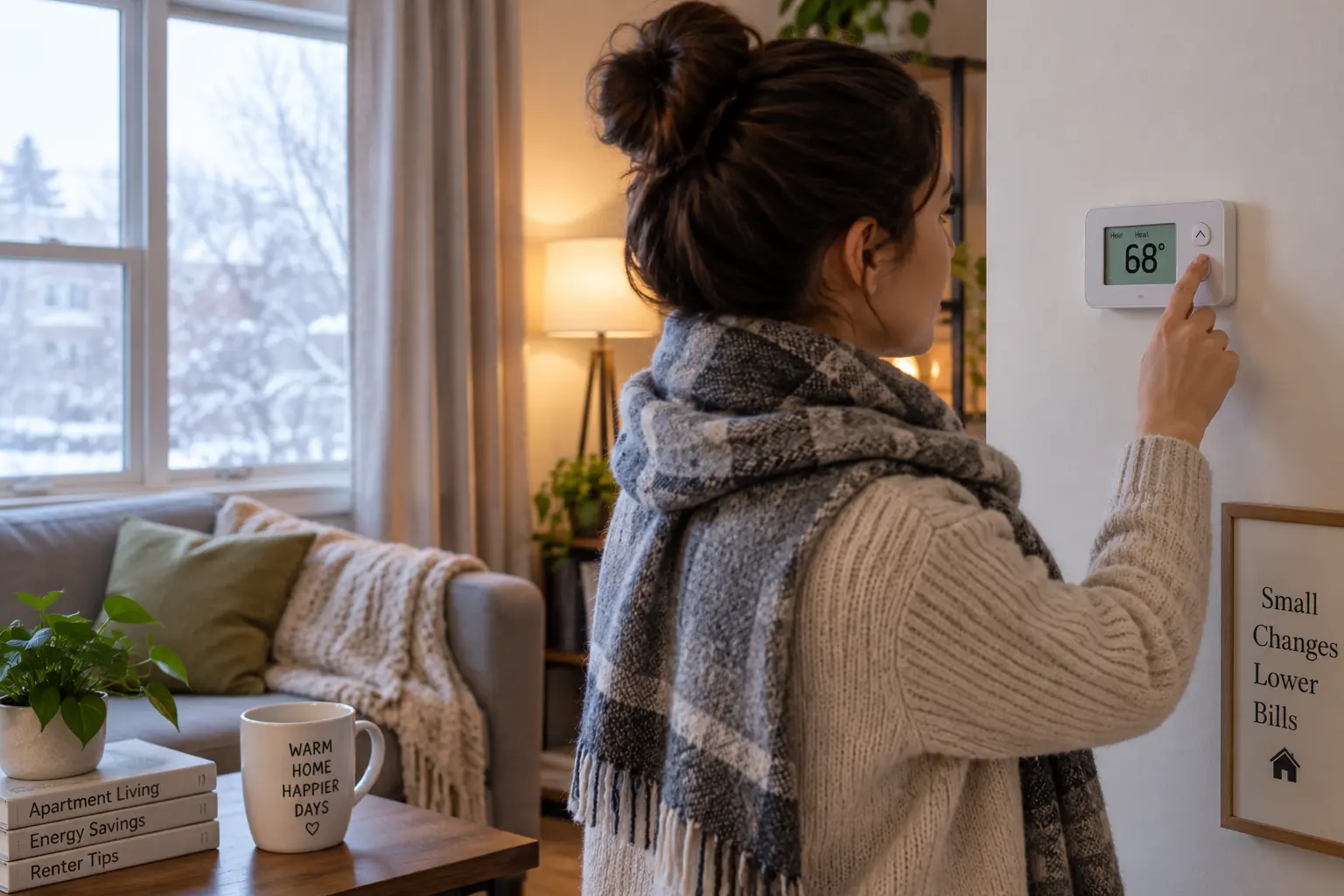
When a home will be left during cold weather, the Red Cross recommends keeping the heat at 55°F or higher. Your lease or insurer may call for more, so set the figure for the property instead of repeating the default. Tenants watching the gas bill will follow the rule more willingly if you show them ways to lower heating costs without shutting off the heat.
Send the instructions through a channel that records delivery. Name the faucets or cabinets involved and the heat setting you require. Say what to do before a trip and how to report an after-hours emergency. Skip the blanket instruction to drip every faucet whenever it hits 32°F, and identify instead which fixtures sit on exposed runs.
At renewal, tighten the lease or winter addendum where duties are vague.
Pro Tip: Run a cold-weather drill with maintenance before the first hard freeze. Check that keys open every mechanical room, that shutoff valves still turn, and that the vendor on your call list answers.
Conclusion
Start with the shutoff and the drying crew, then get the written cause statement while the wall is still open. Notify every carrier that could be involved, and send the tenant a factual update that neither accuses nor promises an insurance result.
While repairs run, check the lease and local habitability rules before you decide anything about rent or relocation. Any charge to the tenant should follow the plumber's findings and cover only what no insurer has paid. When the unit is back, fix the condition that left the pipe exposed and replace the general winter reminder with instructions tied to this address.