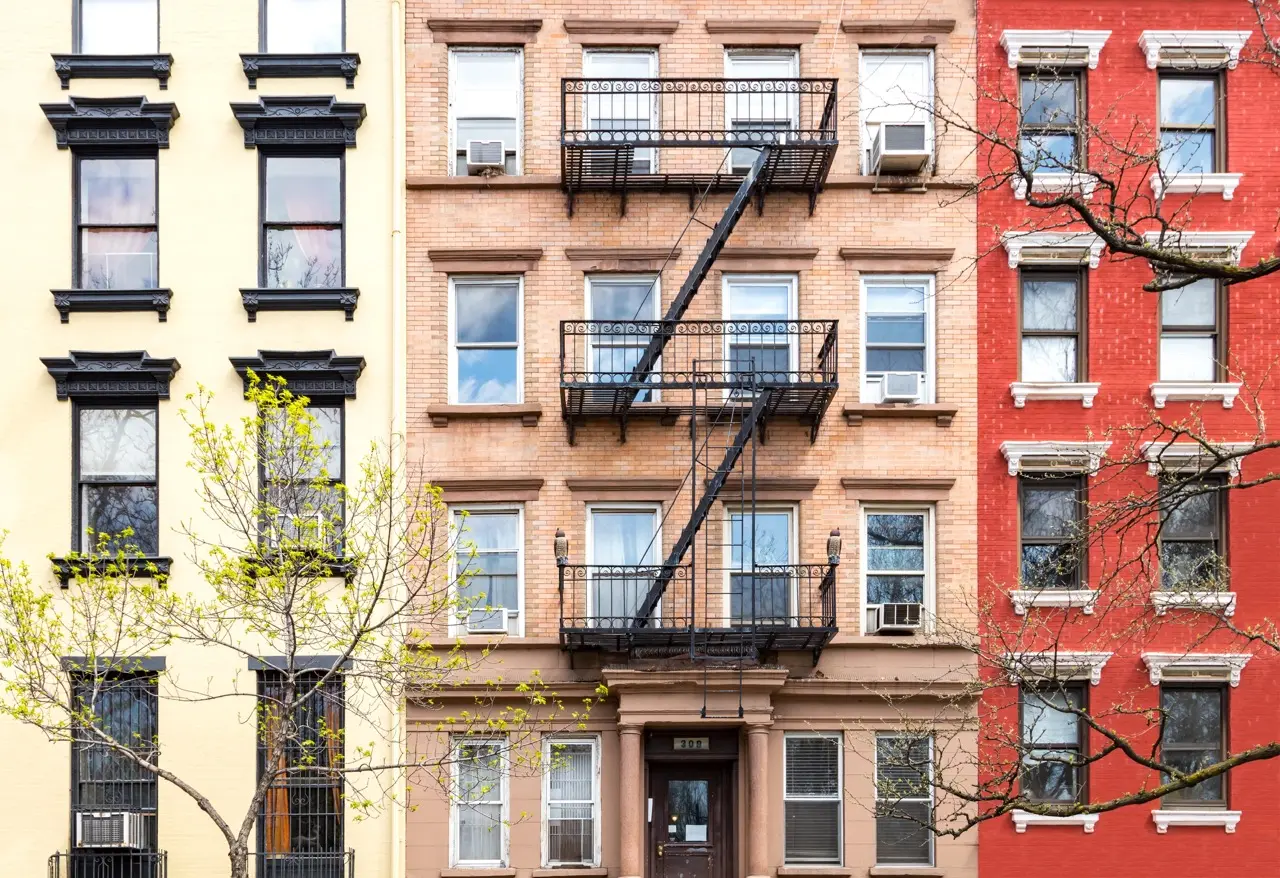
Signing a lease in a historic building can lead to surprises after you move in. While the tour highlights the charm of the brickwork and location, you may encounter issues such as poor sound insulation, cold or damp bedrooms, and inadequate outlets. Requests for upgrades, such as AC units or TV mounts, may be limited by building rules or preservation requirements, resulting in a slow turnaround. It's important to prioritize daily livability over aesthetics.
Key Takeaways
- If you don't test for noise during peak hours, you might find yourself dealing with it later.
- The phrase "recently updated" is vague, and you should ask about the last upgrade year for the heating, plumbing, and electrical systems.
- If the building has outdated HVAC systems, you'll need to create a comfort plan and budget for a realistic electric bill.
- Make sure to confirm the dimensions of tight turns leading into the unit, or you could end up paying extra for moving costs.
- If you don't have written permission to make alterations, assume that you'll have to pay to reverse any changes later.
Decide If the Noise Level Is Livable
A historic building can be quiet or loud, but the noise you hear is often due to its construction. Wood floors creak. Plumbing echoes inside walls. Street sound bounces off hard surfaces like brick and plaster. Even with considerate neighbors, you may still hear footsteps, bass, and doors.
Treat noise as a building feature you're agreeing to live with. That keeps you from signing and hoping the place behaves like a newer build.
Run a noise check during the tour before you start placing furniture in your head. If you can, visit twice. Go once when the building is active, like early morning or early evening.
Simple checks that don't require tools
- Stand in each room for 30 seconds without talking and listen for outside traffic
- Put your ear near the wall that borders a hallway or another unit
- Run the kitchen faucet and shower, and listen for pipe noise
- Open and close windows and note rattling or gaps
- Listen near radiators, vents, and boxed-in corners where sound can travel
Look for noise sources you can't control
- A unit above a garage door, trash pickup area, or loading zone
- A bedroom facing a bar, bus stop, or late-night foot traffic
- A wall shared with laundry rooms, stairwells, or elevator shafts
- A unit under a rooftop deck or a busy common hallway
Rugs, thick curtains, and bookcases can reduce echo and noise. They won't stop the heavy footsteps above you or the street noise through the old windows. If you work from home, stand where you'd take calls and test it with the door closed.
Pro Tip: Ask, "Which side of the building do people avoid for noise?" and don't explain what you mean.
Confirm You Can Control Temperature and Humidity
Comfort is often the make-or-break issue in a historic rental. Older buildings weren't built for modern temperature expectations. You might have radiator, baseboard, or wall-unit heat, or a mix of upgrades over time. Some rooms run hot while others stay cold, and top floors can trap heat in summer, like an oven you didn't order.
Before you sign, pin down what you control, what the building controls, and what you're allowed to add.
Ask these questions during the showing
- What heat source does this unit use, and who controls the thermostat?
- If heat is included, is it controlled per unit or set for the whole building?
- What cooling is installed, and what are you allowed to add?
- Are window AC units permitted, and are brackets or drip trays required?
- Who pays for gas and electricity, and do bills swing hard by season?
Then check for uneven-room problems. Stand near exterior walls and notice drafts near windows. Look at radiator placement and whether anything blocks it. If there's only one thermostat, confirm its location. A thermostat in a hallway can leave a back bedroom freezing.
Humidity is the other half of comfort. It's also where an older building can surprise you after the first rainy week. Condensation on windows, a musty smell, bubbling paint, and warped wood can point to moisture that returns every season. Bathrooms without a working exhaust fan are a common culprit. Basements and garden units need extra scrutiny.
Quick humidity clues
- Stains or soft spots near window frames and baseboards
- Closets on exterior walls that smell stale
- Peeling paint near sills or corners
- A dehumidifier is already in the unit
Pro Tip: If you're considering a basement bedroom or back room, bring a small hygrometer and check the humidity with the windows closed for 5 minutes.
Decide If the Total Monthly Cost Still Works
A historic building can cost less, more, or differently. The rent might be lower because the kitchen is dated. It might be higher because the location is prime and the building has status. The surprises hit after move-in, so start with your all-in monthly number, not the advertised rent.
Costs that often change in older buildings
- Utilities that spike because insulation is limited or windows leak air
- Higher electricity use if you rely on window AC units and fans
- Extra heating costs if the heat is electric and the unit is drafty
- Laundry costs if you don't have in-unit laundry
- Moving costs if stairs are tight and movers need more time
- Window coverings that need custom sizes for odd windows
Ask for real numbers. If utilities are in your name, request the average bill range for last summer and last winter for a similar unit. If they won't share ranges, confirm the heat type and fuel so you can estimate instead, since gas, electric, and oil heat don't land the same. Confirm what's included and what isn't, as older buildings sometimes include heat but not electricity, include water but charge a flat utility fee, or pass through costs that can change during the lease term.
Don't forget renters' insurance when you run the monthly numbers. Premiums can vary based on neighborhood risk factors or claim history tied to the address, not just your personal profile. Ask what coverage the building requires and whether they want to be listed as an interested party, so you don't discover a surprise condition after signing.
Pro Tip: Build a comparison line item called "rent plus reality" that includes a conservative utility estimate plus $30-$60 a month for comfort gear and minor fixes.
Check Electrical and Plumbing Limits Before Signing
This is where charm can turn into daily friction. You might have fewer outlets, older wiring that limits capacity, slow drains, inconsistent water pressure, or hot water that runs out faster than you expect. None of that is automatically a dealbreaker, but it changes what you can run and what you'll replace out of pocket.
What you can spot during a showing
- Count outlets in rooms you use most and note if they're poorly placed
- Turn on several lights and watch for flicker
- Run the sinks and the shower to check pressure and drain speed
- Flush the toilet and listen for long refills
- Look under sinks for leaks, stains, or a damp cabinet floor
Ask about breaker trips in plain language. If you work from home, ask whether you can run a computer setup plus a portable AC without issues. If the answer is vague, keep pushing. Some older units can't handle several high-draw devices at once. Space heaters can also trip circuits, so don't assume you can add one.
Plumbing isn't only about leaks. It's also about disruption. If plumbing is shared, a single repair can shut off water to multiple units. Ask whether hot water is per unit or shared. Shared hot water can mean morning shortages and cold showers.
Pro Tip: Ask, "What was the last major electrical or plumbing repair here?" and wait for a date and a real description.
Accept Layout Quirks or Walk Away
Layout is the historic rental tradeoff you can't negotiate later. Narrow doorways, steep stairs, small closets, and chopped-up rooms can feel charming for a weekend and frustrating on a Tuesday. So be honest about how you live. If you need a king bed, a big desk, a stroller parking spot, or space for a bike, confirm it fits without forcing it.
Measurements that save you money and stress
- Main entry door width, plus hallway width to the unit
- Stair width and the tightest turn on the way up
- Elevator interior size, if there is one
- The wall length where your bed or sofa must go
- Closet depth and any low ceilings that cut usable space
Check daily-flow issues that don't show up in photos
- Where you'll drop shoes, coats, and packages
- Whether the kitchen can handle two people at once
- Whether there's a safe place for deliveries, bikes, or trash bins
Don't assume you'll make it work with different furniture later. That's how you buy a second couch or live with boxes for months. If the unit has great rooms but no storage, price out a storage unit now and decide if the trade still works.
Pro Tip: Carry your bag like it's a laundry basket and walk the tightest hallway and stair section once.
Know What You Can Change Without Trouble
Some historic buildings come with restrictions from the building, an HOA/condo board, a landmark commission, or an owner protecting original features. Even without a formal historic designation, older materials can be easily damaged and expensive to restore. That's why small changes can turn into deposit fights.
Before you sign, ask what you can do without written approval, and what requires it. If there are building rules, ask to see them before you commit.
Standard limits that surprise you
- Drilling into plaster walls for shelves, TVs, or curtain rods
- Painting trim, brick, or original woodwork
- Swapping light fixtures or hardware
- Using adhesive hooks that pull old paint off at move-out
- Installing window treatments that require screws into frames
- Adding appliances like an extra AC unit or a washer
Get written permission, even for minor changes. An email is often enough if it clearly states what you'll do, what method you'll use, and what condition you must restore at move-out. If the building has an alterations form, ask for it before you sign the lease.
If you want the place to feel like yours without risk, go low-impact. Use tension rods, freestanding shelves, rugs with pads, and plug-in lighting. If you have kids or pets, ask about approved anchoring methods, since "do not drill" and "anchor furniture" can conflict.
Pro Tip: If the answer is "probably fine," treat it as "no" until you have it in writing with the exact method you're allowed to use.
Plan for Repairs That Need Specialists
Maintenance in historic buildings can move more slowly because parts are harder to source, and some work requires specialized skills. A repair that would be simple in a newer unit, like fixing a window latch, may require matching old materials or protecting original trim.
That doesn't mean you should accept sloppy maintenance. It means you should judge the repair process, not just the unit.
Lease and process items to clarify
- How you report issues and whether there's one contact person
- Response expectations for non-emergency repairs
- What counts as an emergency for your building
- Whether the landlord uses in-house maintenance or outside vendors
- How access works if shutoff valves are inside your unit
Ask one question that reveals planning: "Who do you call for window repairs and radiator problems?" If the answer is "we'll figure it out," expect longer timelines. A named vendor or a transparent process is a better sign that repairs won't stall when something breaks.
Move-in documentation and early reporting matter more in older places because wear is expected and surfaces are less uniform. Take clear photos of floors, windows, and walls, note any cracks, stains, leaks, or sticking hardware, and send those notes within the first week so there's a timestamp. Report minor issues early, especially leaks and window problems, since water damage and drafts tend to get worse quietly in older construction.
Pro Tip: When you submit a repair request, include 1 photo, 1 sentence about the daily impact, and 2 times you can grant access.
Conclusion
A historic rental can be a great home if you choose it for what it is, not what you hope it becomes. The right unit gives you character and location while still letting you sleep, work, and stay comfortable without constant workarounds. The wrong unit locks you into noise you can't fix, comfort you can't control, and costs that creep up through utilities and add-ons.
The strongest signal during your search is how the place is managed. An older building needs clear repair channels, realistic timelines, and vendors who know the materials. Push for dates, written permissions, and specific answers before you sign. If you feel brushed off during the tour, you'll feel it even more when the heat breaks, a window won't close, or you're waiting on a specialist.